Teaching Strategies

14 Reasons Why Teachers LOVE Using The Frayer Model

“It is not what is poured into the student, but what is planted, that counts.” – E.P. Bertin. Teaching vocabulary words and definitions might be troublesome and frustrating for lots of teachers since they think that it is almost impossible for students to understand new terms without memorizing them. What …

Read More »

Make A Change! All about Professional Development for Teachers

professional development for teachers

As a head of department or teacher, you might think that after years of classroom experience, you don’t need to participate in further education regarding teacher professional development. However, this is far from the truth! Professional development for teachers was and still is the number one reason why schools succeed …

Read More »

Including ALL – Why Differentiated Instruction Is Important

why differentiated instruction is important

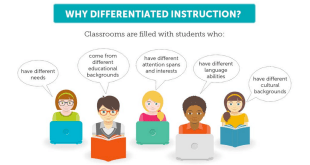
M. Scott Peck, the American psychiatrist, once said “Share our similarities, celebrate our differences.” This quotation resonates quite well in schools where no two students are exactly the same. Everyone is uniquely different. You will never find a classroom full of students who are all alike. Of course, not all …

Read More »

7 Things To Know To Apply A Standards-Based Grading Scale

standards based grading scale

With every academic semester and year, teachers learn about the importance of changing and tweaking instructional strategies. Sometimes, they might find that what previously worked with students of last year, might not be so effective or fruitful with this year’s students. This can be observed in the grading and/or reporting …

Read More »

7 Methods to Develop Creative Thinking Skills for Students

creative thinking skills for students

Creative thinking skills for students are what every teacher knows to be crucial in the learning process. Giving students the chance and space to think creatively will definitely be fruitful in the long run. Creative-based activities, games, and questions are endless. Consider trying to implement any of these exercises at least …

Read More »