 Skolera LMS Blog Educational Technology Articles and News

Have you ever wondered why some students excel while others struggle, even when given the same opportunities? In fact, the secret lies not only in intelligence but also in the teaching methods used in schools. As educational challenges grow, achieving improved academic performance has become a fundamental goal that requires well-thought-out and innovative strategies. Traditional methods are no longer sufficient to achieve tangible results; it has become essential to adopt student-centered solutions that support their holistic development. In this article, we explore seven effective strategies that contribute to sustainable improvements in academic achievement.
Table of Contents
What Is Improved Academic Performance in Schools?
In the modern educational context, “improved academic performance” refers to students’ ability to achieve better results by developing their skills, deepening their understanding, and applying effective learning strategies that support their progress. To achieve this, schools rely on key factors:
- Developing teaching methods to be more interactive, engaging students in the learning process rather than relying on traditional rote learning, thereby enhancing understanding and retention.
- Utilizing educational technology, such as digital platforms and interactive tools, that facilitate access to information and supports self-directed learning in a more flexible manner.
- Continuously training teachers on the latest pedagogical methods to ensure the delivery of high-quality educational content aligned with students’ needs.
- Periodically analyzing academic performance to identify students’ strengths and weaknesses, and then developing plans to enhance outcomes.
- Creating a stimulating learning environment that encourages creativity and critical thinking, helping students achieve sustained academic success.
read more about: Online Learning Management System LMS for Digital Education
Key Factors That Contribute to Improved Academic Performance:
Improved academic performance depends on a set of key factors that directly influence students’ achievement levels and help them achieve better results within the educational environment. To achieve this, schools rely on the following:
- Developing curricula to better align with students’ needs and the job market, which makes learning more realistic and relevant to practical application.
- Strengthening the role of teachers through ongoing training and equipping them with modern tools to help deliver effective and engaging educational content.
- Utilizing technology in education to provide diverse resources that enhance understanding and facilitate quick and flexible access to information.
- Regularly monitoring academic improvement through ongoing assessments that help identify students’ strengths and weaknesses.
- Providing a supportive learning environment that encourages student participation and critical thinking, which positively impacts their performance.
read more about: K 12 Learning Management System for Modern Schools
How Data-Driven Strategies Lead to Improved Academic Performance?
Improved academic performance relies heavily on the use of data to enhance the educational process, as detailed analytics help schools understand student behavior and make more effective educational decisions. Schools rely on:
Student Performance Tracking and Progress Monitoring:
Schools rely on continuously tracking student performance through data, which helps accurately measure progress and identify learning gaps.
Personalized Learning and Targeted Interventions:
Data enables the design of personalized learning experiences for each student, while providing educational interventions that directly target areas of weakness, thereby enhancing opportunities for student achievement.
Teacher Performance and Classroom Management:
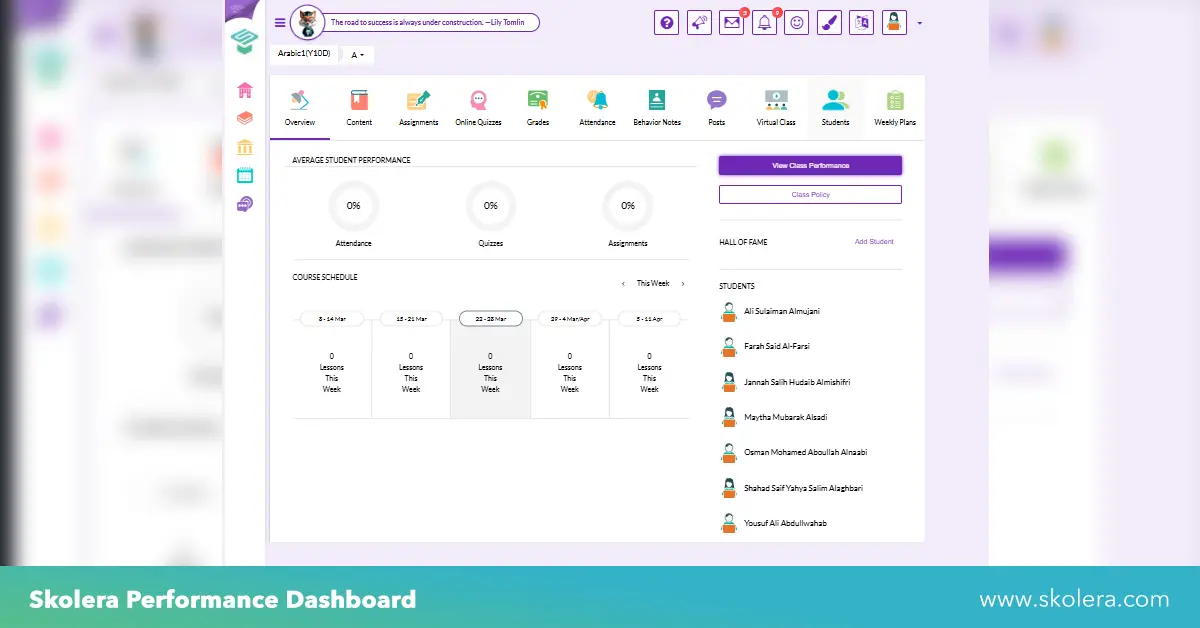
With the use of dashboards and real-time insights, data enables educators to assess their own performance through platforms such as Skolera and effectively enhance instructional strategies and classroom management.
Parental Engagement and Academic Support:
Data helps strengthen communication with parents by providing clear reports on student performance, supporting their role in continuously improving academic achievement.
Benefits of Improved Academic Performance for Schools and Students:
As education evolves, improved academic performance is a critical factor in enhancing the quality of the educational process and boosting the long-term success of both schools and students. These benefits include:
- Enhancing the school’s reputation and increasing its ability to attract more students and parents seeking high-quality education and tangible results.
- Boosting students’ self-confidence, encouraging them to participate more actively in class and achieve better performance across various subjects.
- Improving learning outcomes by providing a more structured and effective educational experience based on deep understanding rather than rote memorization.
- Reducing failure and dropout rates, as students feel continuous support and see noticeable progress in their academic performance.
- Supporting teachers in delivering more impactful educational content by providing clear insights into student results and the ability to adjust teaching methods accordingly.
read more about: Student Performance Tracking System for Smarter Decisions
7 Strategies to enhance performance in schools:
In today’s educational environment, achieving improved academic performance has become a key objective that requires the adoption of well-thought-out strategies focused on enhancing the educational process and effectively supporting students. To achieve this:
- Adopt interactive learning methods that encourage critical thinking, class participation, and improve knowledge retention.
- Effectively utilize educational technology to provide diverse, accessible content and support self-directed learning.
- Train teachers in modern teaching methods to deliver engaging, high-quality content aligned with diverse student needs.
- Continuously monitor student progress through ongoing assessments to identify strengths, weaknesses, and improvement areas.
- Develop curricula aligned with student needs and job market demands to make learning more practical and relevant.
- Personalize learning experiences to address individual differences and enhance student understanding and outcomes.
- Foster a supportive and innovative learning environment that encourages collaboration, participation, and free expression of ideas.
read more about: Teacher Management System for Smarter School Operations
How Does Skolera Supports Schools in Achieving Improved Academic Performance?
Amid the digital transformation in education, improving academic performance has become a key goal that schools are striving to achieve by adopting smart solutions such as Skolera. To achieve this:
- Content Creation: Through the system, teachers can create content for students to ensure that they fully grasp the material.
- Creating Tests and Assignments: The system helps teachers create tests and assignments for students electronically. It includes seven types of assessments and features a question bank to assist teachers in creating tests.
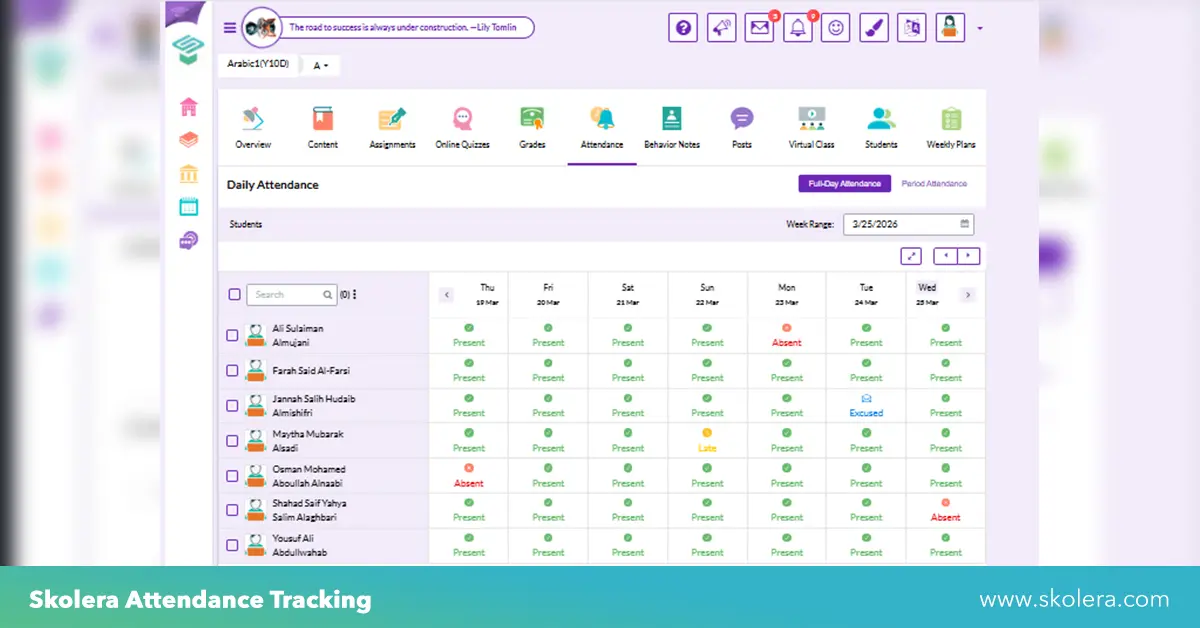
- Attendance and Absences: The system facilitates effortless tracking of attendance and absences; if a student is absent or late without permission, this information is sent to the relevant authorities.
- Digital Library: The system includes a digital library where students can upload up to five files at once, with no maximum limit on the total number of files uploaded.
FAQ:-
How does student performance tracking improve academic outcomes?
Student performance tracking provides an accurate and up-to-date picture of students’ progress, enabling teachers to identify weaknesses early on and make quick and effective instructional decisions. Using this data, personalized support plans can be designed for each student, and timely interventions can be provided, leading to improved understanding and reduced learning gaps.
How do teachers contribute to improved academic performance?
Teachers play a pivotal role in improving academic performance by delivering clear instructional content and using interactive teaching methods that cater to different learning styles. They also help motivate students and build a supportive classroom environment that encourages participation and critical thinking.