 Skolera LMS Blog Educational Technology Articles and News

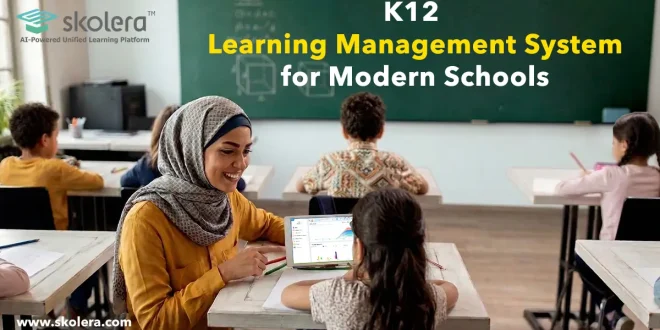
The k 12 learning management system is one of the most important digital transformations that has reshaped the way education is managed in modern schools. With the increasing reliance on digital learning, it is no longer easy for schools to manage curricula, assignments, and communication between teachers and students using traditional methods. This is where learning management systems come in, providing an integrated learning environment that combines content management, student performance tracking, and facilitated interaction within the digital classroom. Through these systems, schools can improve the learning experience and organize the educational process more efficiently.
Table of Contents
What Is a K 12 Learning Management System?
The k 12 learning management system is an integrated digital learning platform that helps schools efficiently manage the educational process within a single environment. It connects all users and facilitates the delivery of content and assessments. The system’s key functions include:
- Managing educational content and organizing lessons and course materials on a single platform.
- The system enables teachers to easily create electronic assignments and tests, as well as assess student performance.
- The platform facilitates communication between teachers and students through messages and virtual classrooms.
- Teachers are able to track the progress of their students and analyze their results through accurate reports.
- This system enables parents to continuously monitor their children’s academic performance.
- The system facilitates interactive learning through the use of videos and a variety of activities.
- A K-12 LMS helps schools manage digital education efficiently and organize all elements of the educational process.
Why K 12 Schools Need a Learning Management System?
The k 12 learning management system is an important element in the development of the educational process within schools, as it helps organize academic content, manage assessments, and improve communication between teachers and students. The K-12 system offers several key benefits:
- Organizing curricula and educational materials within a single, easy-to-use digital platform.
- Enabling teachers to create electronic assignments and tests and assess students quickly and accurately.
- Improving communication between teachers and students through interaction tools and virtual classrooms.
- Tracking student progress and analyzing their results through detailed educational reports.
- Supporting interactive learning using digital media such as videos and educational activities.
- Reducing the administrative burden on teachers and school administrators.
- Enabling parents to continuously monitor their children’s academic performance.
- Supporting the development of the educational process in line with the requirements of the modern k-12 education system.
read more about: Student Performance Tracking System for Smarter Decisions
How a K 12 Learning Management System Supports Modern Education?
The k 12 learning management system helps modern schools develop the educational process by providing an integrated digital environment for managing academic content, assessments, and communication between teachers and students, which makes learning more interactive. Its role appears in several key advantages:
- Organizing curricula and educational materials within an easily accessible digital platform.
- Enabling teachers to create lessons, assignments, and tests more efficiently.
- Enhancing interaction between teachers and students through communication tools and virtual classrooms.
- Tracking student progress and analyzing their results through accurate educational reports.
- Supporting interactive learning using multimedia such as videos and digital activities.
- Enabling schools to implement a blended learning model that combines traditional learning with e-learning.
- Providing a flexible learning environment that supports learning both inside and outside of the school.
- Improving education management through an integrated digital learning system.
read more about: Teacher Management System for Smarter School Operations
Challenges K 12 Schools Face Without a Learning Management System:
The absence of a digital system for managing a k 12 learning management system leads to many challenges that affect the efficiency of the educational process. Without a structured digital system, these challenges appear in several key aspects, including:
- Difficulty organizing curricula and educational materials within a clear, centralized system that is easily accessible to teachers and students.
- The administrative burden on teachers to track assignments, grade tests, and manage various educational activities increases significantly.
- The lack of a unified educational platform that facilitates continuous interaction leads to poor communication between teachers and students, which in turn hampers collaborative learning and timely feedback on assignments.
- Difficulty in accurately tracking student progress and analyzing their academic performance to improve learning outcomes is a challenge.
- Limited parental participation in monitoring their children’s academic performance and communicating regularly.
read more about: HR and Payroll Systems for education: Features and Benefits
Core Features of a K 12 Learning Management System:
The k 12 learning management system provides essential tools for managing education within an integrated digital environment, helping schools organize curricula, manage assessments, and easily track student performance. Key features include:
Curriculum and Content Management:
Organizing curricula and educational materials within a single digital platform that makes it easy for teachers to manage content and for students to access lessons and educational files at any time.
Assignment and Assessment Management:
Create electronic assignments and tests, with the ability to grade them and track grades in an organized manner within the educational system.
Student Performance Tracking and Progress Monitoring:
Tracking student progress and analyzing their academic performance through educational reports that help teachers improve learning outcomes.
Classroom Communication and Collaboration Tools:
Supporting communication between teachers and students through messages and interactive activities that promote engagement within the digital classroom.

Parent Access and Engagement Features:
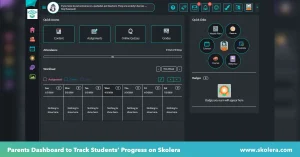
Enabling parents to track their children’s performance through a special dashboard such as the one provided by the Skolera platform.
Attendance and Behavior Tracking:
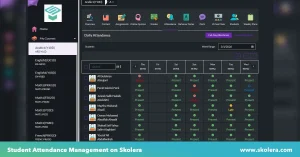
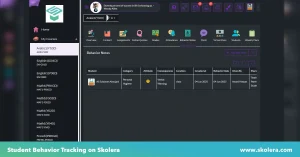
Recording student attendance and tracking school behavior through digital reports as shown in the Skolera system within the teacher’s dashboard.
read more about: Learning Management Systems for Schools | A Complete Guide
How to choose the right learning management system for k-12 schools?
The k-12 learning management system helps schools organize the educational process and improve the management of academic content, assessments, and communication within an integrated digital environment. Key factors to consider include:
- Ease of use so that teachers and students can interact with the system without complexity or the need for lengthy training.
- Support for curriculum and educational content management in an organized manner that facilitates the uploading of lessons, educational materials, and various activities.
- Providing tools for managing assignments and tests with the ability to grade them and easily track grades.
- Reports and analytics that help the school track student performance and make better educational decisions.
- Supporting communication between teachers, students, and parents through messages and alerts within the system.
- Compatibility with various devices such as computers, smartphones, and tablets.
read more about: E- learning management system for K12 Schools in Saudi Arabia
How Skolera Transforms Digital Learning in K 12 Schools?
Skolera is a comprehensive digital learning system for K-12 schools that connects teachers, students, and administrators on a single platform to organize learning and track academic performance efficiently. Key features include:
Teachers:
- Assignments and tests: Teachers can use the system to create and grade assignments and tests. The system also offers seven different questions to help teachers prepare tests.
- Creating educational content: Teachers can easily upload and organize educational materials for students.
- Recording attendance: The system allows teachers to record student attendance quickly and in an organized way.
- Behavior notes: The system allows teachers to record student behavior notes, which helps monitor their behavior in class and enhance communication with parents.
Students:
- Access to educational content: Students can access educational materials anytime, anywhere.
- Completing assignments and tests electronically: Students can easily complete assignments and tests through the platform.
FAQ:-
How does an LMS improve classroom management in K 12 schools?
A learning management system helps improve classroom management by organizing lessons, assignments, and tests within a single platform. It also allows teachers to easily track student progress and quickly send instructions and educational materials, which reduces classroom chaos and makes the educational process more organized and efficient.
Can parents access student progress through a K 12 LMS?
Yes, most learning management systems in K-12 schools give parents access to dedicated accounts that allow them to track their children’s academic performance. They can view grades, assignments, attendance, and educational reports, which enhance communication between the school and the family and help support student learning.
How do school leaders use LMS analytics and reporting?
School leaders use learning management system reports and analytics to closely monitor student and teacher performance. This data helps them analyze test results, identify strengths and weaknesses in the educational process, and make data-driven decisions to improve the quality of education within the school.