 Skolera LMS Blog Educational Technology Articles and News

Can a single educational decision completely change a student’s future? In a world that only recognizes measurable numbers and results, data has become the true foundation of academic success. This is where the Student Performance Tracking System comes in as a strategic tool that gives schools a comprehensive and accurate view of their students’ performance. This is no longer just a matter of recording grades or tracking attendance, but rather a continuous analysis process that reveals strengths, detects decline early on, and supports informed decision-making at the right time.
Table of Contents
What is the student performance tracking system?
The student performance tracking system is an integrated digital framework designed to collect and analyze student data, including grades, attendance, engagement, and academic behavior, with the aim of providing a comprehensive picture that supports accurate educational decisions. Key system components:
- The system ensures the collection of academic data in real-time and in an organized manner.
- Analyzes patterns to identify students’ strengths and weaknesses early on and provide plans to support them.
- Provides interactive reports and dashboards for administrators and teachers to use in their daily work.
- Supports rapid intervention plans to improve student performance in the classroom by providing real-time data on student progress.
- This facilitates the making of strategic decisions grounded in measurable indicators.
- Enhances transparency between the educational institution and parents.
- Improves the quality of the educational process through continuous performance evaluation.
Benefits of Student Performance Tracking Systems for Schools:
The student performance tracking system gives schools the ability to shift from traditional management to data-driven management, providing an accurate and comprehensive view of student performance and helping administrators make informed decisions The system’s impact in schools is evident through:
- Improving the accuracy of administrative decisions by relying on accurate, realistic data and analysis.
- Detecting academic decline in its early stages before the problem worsens and becomes difficult to remedy.
- Empowering teachers with detailed reports that help them tailor teaching methods to each student.
- Raising success rates through well-thought-out intervention plans based on performance tracking.
- Reducing educational gaps between students within the classroom and achieving greater educational equity.
- Enhancing transparency and building stronger bridges of trust in communication with parents.
- Measuring the effectiveness of curricula and tests periodically to ensure continuous improvement.
read more about: Teacher Management System for Smarter School Operations
What Types of Student Data Can Be Tracked?
In the modern educational environment, student performance tracking systems enable institutions to go beyond traditional assessment by tracking comprehensive academic and behavioral data, providing a deeper analytical understanding of each student’s trajectory and supporting early intervention. The system typically includes:
- Detailed test, assignment, and project grades, with the ability to analyze the strengths and weaknesses of each subject.
- Attendance records, absences, and patterns of time commitment, helping to link performance to discipline.
- Levels of interaction and participation in class or via digital platforms, measuring the extent to which the student is engaged in the educational process.
- Diagnostic assessment results and analysis of general trends to identify recurring patterns in performance.
- Behavior and discipline indicators and related reports to understand non-academic factors affecting achievement.
- Individual academic support plans are managed through the student tracking system and the monitoring the effectiveness of educational interventions.
read more about: HR and Payroll Systems for education: Features and Benefits
How Can Teachers Use Performance Tracking Data Effectively?
Contemporary teachers rely on the student performance tracking system as a practical tool that supports their daily decisions in the classroom. Accurate data enables them to understand each student’s learning behavior. To create real impact, teachers can:
- Identify concepts and skills that have not been clearly understood by analyzing test and assignment results, which helps them address weaknesses accurately rather than re-explaining the entire content.
- Redistribute class time and adjust teaching strategies according to students’ actual needs, designing targeted remedial activities that address specific gaps in understanding.
- Measure academic performance after implementing each new strategy to ensure that educational interventions achieve tangible and measurable results.
- Assign varied assignments and activities that take individual differences into account and boost students’ confidence by presenting their progress in a clear and transparent manner that supports motivation and continuity.
read more about: Learning Management Systems for Schools | A Complete Guide
How Do These Systems Support Reporting and Analytics?
The student performance tracking system transforms educational reports from traditional spreadsheets into analytical tools that support an accurate understanding of performance, giving users a clear basis for informed decision-making. This is how data is transformed into real analytical value through:
- Creating real-time, customizable reports by grade and subject, with the ability to filter and display data in a way that serves the needs of each administrative or educational level.
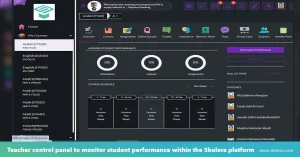
- Providing interactive dashboards that visually display key performance indicators, making it easier to understand results and make quick decisions based on accurate information, such as the Skolera program.
- Analyzing trends over time to track academic improvement or decline, and compare results across different classes and grades to identify educational gaps early on.
- Issuing early warnings when risk indicators appear, support strategic planning with measurable data, and facilitate the presentation of results to management and parents.
read more about: E- learning management system for K12 Schools in Saudi Arabia
How Do Schools Choose the Right Student Performance Tracking System?
When selecting any modern technology system, schools should view the student performance tracking system as a long-term strategic investment that links data to educational goals and translates performance indicators into decisions. To ensure the right decision, consider the following:
- Accurately identify the needs of the school, whether related to academic performance tracking, report management, or early intervention support, to ensure that the system selected meets actual objectives.
- Evaluate the ease of use and clarity of the interface, so that teachers and administrators can use the system efficiently without the need for complex training or a long adjustment period.
- Ensure that the system can provide accurate and customizable analytical reports that support decision-making based on real, measurable data.
- Review the level of security and data protection to ensure that student information remains private and that approved standards and policies are adhered to.
read more about: ERP for Schools – Features, Modules, and Key Benefits
Why Do Schools Choose Skolera for Student Performance Tracking?
The student performance tracking system at Skolera goes beyond being a tracking tool to become an integrated academic system that supports the management of assignments, tests, educational plans, and attendance. This is why schools prefer it:
- Curriculum development: The system helps teachers easily develop educational content, whether audio, text, or video.
- Curriculum planning: The system helps teachers plan their curriculum, saving them time achieving educational goals and managing classes efficiently.
- Test creation: The system helps teachers create tests that cover all parts of the curriculum. The system also includes seven types of questions, which help ensure a fair assessment of students.
- Easy communication: The system helps teachers communicate with students individually or as a group. It also includes a feature for posting announcements, which facilitates the exchange of ideas between teachers and students.

FAQ:-
How do teachers use performance tracking data in daily teaching?
Teachers use performance tracking data on a daily basis to identify students’ weaknesses as soon as they arise and adjust their teaching methods according to students’ actual needs. The data also helps them customize activities and assignments, grouping students based on their level of understanding.
How do student performance tracking systems improve learning outcomes?
Student performance tracking systems improve educational outcomes by detecting academic gaps early and supporting rapid intervention plans before the problem worsens. They also provide comprehensive visibility that helps administrators and teachers make data-driven decisions, leading to higher achievement rates and lower dropout and failure rates.
How secure is student data in performance tracking systems?
Modern performance tracking systems rely on advanced security architecture designed to protect student data from unauthorized access. This protection includes encryption technologies, role-based access management, and regular backup systems to ensure data integrity and continuity.