 Skolera LMS Blog Educational Technology Articles and News

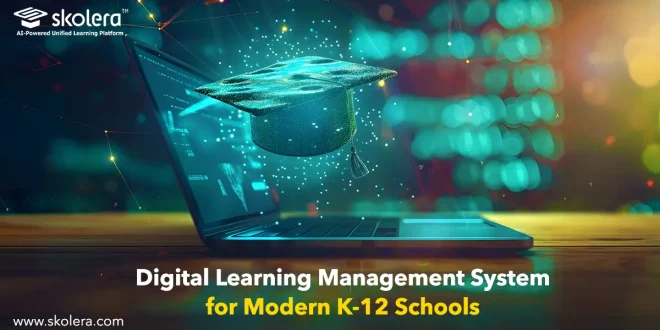
Running a school today is like juggling lesson plans, attendance, grading, parent communication, and reporting, often with a patchwork of disconnected tools. These activities are delivered via a digital learning management system (LMS). The system helps schools run learning and administration more efficiently. It offers a centralized platform for teachers, students, and administrators to access learning materials, manage assignments, track progress, and communicate efficiently. That makes LMS technology a practical solution for K-12 schools today.
Table of Contents
What Is a Digital Learning Management System?
A digital Learning Management System is a software platform that helps schools organize, deliver, and track teaching. It brings together lessons, assignments, assessments, and communication. A digital learning system can provide a structured environment that supports learners through features such as:
- Easy navigation: It makes it easier for students and teachers to find the key tools and content they need.
- Structured learning content: Schools can store lessons, resources, and educational materials in one place.
- Assessment tools: Quizzes, activities, and assignments help assess student learning.
- Communication features: These help teachers, students, and families stay connected within the learning environment.
- Reporting capabilities: These offer useful insights into student engagement.
How Does a Digital LMS Transform the Learning Experience in School?
The value of a digital learning management system extends beyond simply replacing paperwork. It can alter how teachers deliver lessons, how students access materials, and how schools monitor student progress. Different learning processes can be supported by a digital learning platform. Some key areas are:
Centralized Digital Learning Content:
A digital LMS brings all learning materials into one centralized location, allowing students and teachers to access lessons, resources, and course content anytime. This eliminates scattered materials across multiple platforms, saves preparation time, and ensures every student has equal access to updated content.
Interactive Lessons and Learning Activities:
Digital LMS platforms support interactive lessons through multimedia content, quizzes, and engaging activities that go beyond traditional textbooks. Students participate actively rather than passively receiving information, which improves comprehension, keeps learners engaged, and helps teachers deliver more dynamic and effective classroom experiences overall.
Online Assignments and Assessments:
Teachers can create, distribute, and collect assignments digitally without relying on paper-based processes. Online assessments allow instant submission, automated grading for objective questions, and immediate feedback, saving valuable time while giving students clearer insight into their performance and areas needing improvement.
Student Progress and Performance Tracking:
A digital LMS enables continuous tracking of student progress through detailed performance data and analytics. Teachers can identify learning gaps early, monitor engagement levels, and adjust instruction accordingly, while students and parents gain visibility into academic growth throughout the school year.
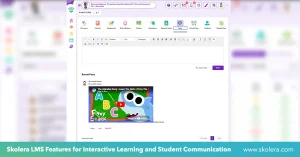
Teacher-Student Communication:
Digital LMS platforms strengthen communication by providing direct channels for messages, announcements, and feedback between teachers and students. This reduces communication delays, keeps everyone informed about deadlines and updates, and creates a more connected learning environment that supports timely academic support.
read more about: Cloud Based School Management System for Smarter Schools
How Can Schools Integrate a Digital LMS with Existing Systems?
Most schools have a digital learning management system. Where possible, a digital LMS should integrate with these platforms so that schools can connect learning data with existing records and workflows. Typical points of integration are:
Student information systems:
Integrating an LMS with student information systems allows automatic synchronization of enrollment data, class schedules, and student records. This reduces manual data entry, prevents duplication errors, and ensures academic information remains consistent and accurate across all connected school systems overall.
Attendance systems:
Connecting the LMS with attendance systems enables automatic recording of student presence during digital lessons and activities. This integration reduces administrative workload for teachers, provides real-time attendance data, and helps schools maintain accurate records without relying on separate manual tracking tools.
Communication systems:
Linking the LMS with existing communication systems ensures messages, notifications, and announcements reach students and parents through familiar channels. This integration prevents fragmented communication, centralizes outreach efforts, and helps schools maintain consistent messaging across email, SMS, and internal platforms used.
User-account systems:
Integrating the LMS with user-account systems allows single sign-on access, so students and teachers use one set of credentials across multiple school platforms. This simplifies account management, strengthens security, and reduces the technical burden of maintaining separate login systems entirely.
Reporting systems:
Connecting the LMS with existing reporting systems allows academic data to flow automatically into institutional reports without manual compilation. This integration supports accurate record-keeping, simplifies administrative reporting requirements, and ensures consistency between classroom data and official school documentation overall.
read more about: Student Enrollment Management System for School Growth
How Do Digital Learning Systems Support Data-Driven Education?
A digital learning management system supports data-driven education by collecting, organizing, and analyzing information from different areas of school operations. This data helps educators monitor student progress, identify learning needs, improve communication, and make informed decisions:
Student information systems:
Data-driven education relies on student information systems to consolidate demographic, academic, and enrollment data in one place. Schools can analyze this information to identify trends, personalize learning approaches, and make informed decisions about curriculum design based on actual student needs.
Attendance systems:
Attendance data collected digitally provides schools with patterns that reveal engagement issues before they escalate. By analyzing attendance trends over time, administrators can identify at-risk students early, evaluate the effectiveness of interventions, and make evidence-based decisions to improve student retention.
Communication systems:
Communication systems generate valuable data on engagement, such as message response rates and parent involvement levels. Schools can use this information to evaluate outreach effectiveness, identify families needing additional support, and refine communication strategies based on measurable engagement patterns instead.
User-account systems:
User-account systems provide data on platform usage, login frequency, and feature adoption across the school community. Analyzing this activity helps administrators understand how effectively digital tools are being used, identify training needs, and make informed decisions about technology investment.
Reporting systems:
Reporting systems transform raw educational data into actionable insights through dashboards and analytical summaries. Schools can use these reports to evaluate academic performance trends, measure progress toward institutional goals, and support strategic, evidence-based decision-making at classroom and administrative levels.
read more about: Online Student Attendance Management System for Smarter Schools
What Challenges Should Schools Consider When Adopting a Digital LMS?
Although digital learning management system offer many benefits, their implementation requires careful planning. Schools need to evaluate resources, capabilities, and user readiness before adoption. These factors help ensure a smooth transition and effective long-term use. Key challenges include:
- Implementation and maintenance costs: A digital LMS may require investment in software, hardware, licenses, technical support, and maintenance.
- Training for teachers and students: Users need practical training to understand the platform, navigate its features, and use its educational and administrative tools effectively in daily activities.
- Technical infrastructure: Schools need suitable devices, reliable internet connectivity, and adequate technical support to provide consistent access across classrooms and prevent disruptions.
- Data security and privacy: Schools should select a secure LMS with strong protection measures, access controls, and privacy practices to safeguard student and teacher data from unauthorized access.
read more about: Private School Management Software for Modern Schools
How Does Skolera Support Digital Learning Through Its LMS?
Skolera helps schools organize and manage a digital learning management system through an integrated LMS. This provides a single location where teachers and students can access content, complete activities, and track student progress. Key features include:
- Digital Learning Content: Teachers can manage and share lessons, resources, videos, presentations, and other educational materials in one digital environment, making it easier for students to access learning content.
- Assignments and Assessments: Teachers can create, distribute, collect, and evaluate assignments and assessments digitally. This keeps student work organized and makes it easier to monitor academic performance.
- Student Progress Tracking: Schools can use existing data and reports to monitor student performance and learning progress. This information can help teachers identify areas where students may need additional support.
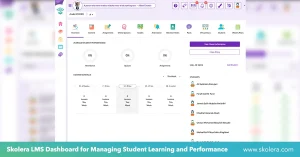
- Communication and Individualized Learning: Teachers, students, and families can share important updates within the learning environment.
FAQ
Why are schools adopting digital learning management systems?
Because digital learning management systems help schools organize educational content, manage lessons, assignments, and tests, and track student performance, making the educational process more flexible and efficient.
How does a digital LMS support teachers?
A digital learning management system helps teachers create and manage lessons, assignments, and tests; track student progress; assess student performance; and communicate with students, thereby reducing administrative tasks and freeing up more time to focus on teaching.