 Skolera LMS Blog Educational Technology Articles and News

Modern classrooms no longer rely solely on traditional methods; technology has become an essential component in enhancing the educational experience and improving interaction between teachers and students. With the significant expansion of digital transformation within educational institutions, digital tools for the classroom have become one of the most important means of helping schools provide a more flexible and efficient learning environment. From managing lessons and assignments to enhancing communication and analyzing academic performance, these tools play a pivotal role in supporting the educational process. They also help schools improve classroom engagement and facilitate access to educational content.
Table of Contents
What Are Digital Tools for the Classroom?
Digital tools for the classroom refer to the technologies and platforms used by schools and teachers to improve the management of the educational process and enhance the learning experience in the classroom. The tools serve various key classroom functions:
- These tools include educational platforms and learning management systems that help schools organize course content, assignments, and tests more efficiently in a digital format.
- Digital tools help teachers deliver explanations and interactive activities that boost student engagement in the classroom and improve the daily learning experience.
- Some systems provide analytics and reporting tools that help school administrators track academic performance and engagement levels in classrooms more accurately.
- Digital tools support quick access to educational materials via phones, tablets, and computers both inside and outside the school.
Why Are Schools Integrating Digital Tools into Classrooms?
Schools are increasingly integrating technology into the classroom to improve the quality of education and keep pace with the latest developments in learning methods. Digital tools for the classroom help schools create a flexible learning environment. Main integration benefits include:
- Enhancing interaction between students and teachers through digital activities and educational media that make explanations clearer.
- Streamlining the management of assignments, tests, and classroom activities in a way that reduces the time and effort required in traditional processes.
- Supporting self-directed learning by providing educational content that students can easily access anytime and anywhere.
- Utilizing classroom tools that help educational administrations improve classroom organization and track academic performance more professionally.
- Enhancing schools’ ability to track student progress and analyze academic performance through digital reports.
- Contributing to the development of students’ technical and research skills, helping them adapt to the demands of education.
read more about: Student Absence Report for Effective Attendance Management
How Digital Tools Support Teachers in Daily Classroom Activities?
Technology has become an integral part of daily classroom activities, as digital tools help teachers organize their work and manage lessons efficiently. Digital tools for the classroom also help reduce administrative burdens and enhance the teaching experience. Daily teaching support includes:
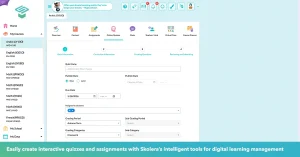
- Enabling teachers to prepare lessons, tests, and assignments electronically in a faster and more organized manner, Skolera also provides tools that help create, manage, and easily share educational content with students within a unified platform.
- Facilitating the tracking of student attendance, participation levels, and academic achievement through digital educational systems.
- Supporting continuous communication with parents through notifications and organized educational reports.
- The system provides teaching tools that assist educators in delivering interactive content, thereby improving student comprehension and boosting engagement levels in the classroom.
- Improving time management in the classroom by reducing paperwork and repetitive administrative tasks.
read more about: Automation in Education for Smarter School Operations
The Impact of Digital Tools on Learning Outcomes:
Educational technology has contributed to significant changes in academic achievement and learning methods within modern educational institutions. Digital tools for the classroom also help improve the student experience and enhance students’ ability to interact and understand effectively. Key learning outcomes include:
- Improved classroom engagement through digital activities and interactive content that encourages student participation.
- Enhanced practical understanding of educational concepts through the use of multimedia and digital presentations.
- Assistance for students in developing research and self-learning skills and using technology more professionally.
- Leveraging edtech tools that contribute to analyzing academic performance and identifying students’ strengths and weaknesses more accurately.
- Increased students’ ability to collaborate and work in teams through digital educational activities and platforms that encourage continuous interaction and knowledge sharing.
- Contribution to increasing students’ motivation to learn by providing educational content that is more interactive and engaging compared to traditional teaching methods.
read more about: Student Database Management System for Data-Driven Schools
Challenges in Implementing Digital Tools in Classrooms:
Despite the significant benefits offered by educational technology, its implementation may face certain challenges that affect the efficiency and the pace of digital transformation. Digital tools for the classroom also require a robust technical and administrative infrastructure. Main implementation challenges include:
- Weak technical infrastructure in some schools, which may affect system stability and ease of access to educational platforms.
- The need to train teachers and administrators to use digital tools effectively to fully leverage their benefits.
- The high costs of some of the systems and technical equipment required to implement modern educational solutions.
- Some students face difficulty adapting to digital learning methods compared to traditional teaching methods.
- Challenges related to data protection and privacy, especially with the increasing reliance on cloud-based systems and the electronic exchange of educational information.
read more about: Education Management Information System for Smarter Schools
Key Considerations When Selecting Digital Tools for Schools:
Selecting the right digital tools is a crucial step in ensuring the success of digital transformation. Digital tools for the classroom also help schools improve the efficiency of teaching by choosing systems that align with their needs. Key selection factors include:
- Ease of use for teachers and students to ensure quick adaptation and minimize operational complexities.
- The platform’s ability to integrate with other educational systems to facilitate data management and academic processes.
- Provision of analytics and reporting tools that help educational institutions track performance and make more accurate decisions.
- Ensuring high levels of data protection to maintain the privacy of educational information and student records.
How Skolera Supports the Use of Digital Tools in Classrooms?
Skolera helps educational institutions implement integrated digital solutions that support the development of the educational process and improve classroom management. The platform also provides tools that help schools and teachers organize educational activities, communicate, and track performance. Key platform advantages include:
- Schedule Creation: The system helps create a schedule containing all the tasks the teacher must complete.
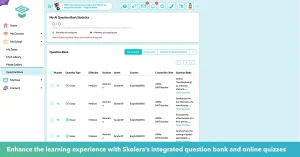
- Assignments and Tests: Through the system, teachers can assign and grade assignments and tests for students electronically. The Scolera system also includes seven types of questions that teachers can use to create tests for students.
- Attendance and Absences: Easily track regular occurrences and absences through the system and generate monthly reports on student absences.
- Class Schedule Creation: The system automatically generates the class schedule based on the data entered into it to ensure there are no errors or confusion regarding class periods.
FAQ:-
Can digital tools increase student engagement?
Yes, digital tools significantly help increase student engagement by providing more interactive and engaging educational content. Digital activities, interactive quizzes, and multimedia also help improve students’ focus and encourage them to participate in the classroom.
Are digital tools suitable for all grade levels?
Digital tools can be used at various educational levels, from elementary school through college. Educational institutions can select the appropriate tools and platforms based on students’ ages and academic needs to ensure a more efficient and effective learning experience.