 Skolera LMS Blog Educational Technology Articles and News

Amid the rapid digital transformation taking place in the education sector, educational institutions now need technological solutions to help them manage academic and administrative processes more efficiently. A student information management system is one of the most important tools that enables schools to organize student data, track academic performance, and manage various daily tasks through a unified platform. The system also helps improve data accuracy, reduce paperwork, and enhance communication between administration, teachers, and parents. As reliance on data for decision-making grows, student information systems have become an essential component in developing a more efficient, organized system.
Table of Contents
What Is a Student Information Management System?
The Student Information Management System is an integrated digital platform designed to help schools organize and manage all student-related data in one place. This system facilitates access to information and improves the accuracy of records. Key benefits of the system include:
- Managing students’ personal and academic data through a centralized database that ensures easy access to information and updates when needed.
- Storing important documents and records in an organized manner that reduces reliance on paper files and improves archiving efficiency.
- Enhancing data accuracy and reducing errors resulting from manual data entry through more efficient digital processes.
- Providing a secure environment to protect sensitive information with the ability to control access permissions for different users.
read more about: Best Digital Tools for the Classroom in Modern Schools
Book a free demo from Skolera nowHow Does a Student Information System Work?
The Student Information Management System relies on a centralized database that collects information from various school departments and organizes it in a way that ensures easy access and management. This helps provide accurate and up-to-date data. The system relies on:
- Collecting student data during the registration and admission stages and storing it in a unified database that supports easy management and tracking, such as the Skolera program, which helps schools organize and access information efficiently.
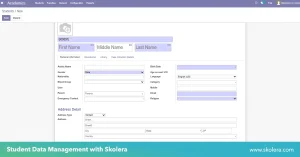
- Continuously updating academic and administrative information to ensure accurate and reliable data is available to all users.
- Generating reports and statistics that help administration analyze performance, identify trends, monitor key academic indicators, and make more efficient data-driven decisions that support continuous school improvement.
- Supporting integration among various school operations through a student information system that links data and procedures within a single platform.
read more about: Student Absence Report for Effective Attendance Management
How Student Information Management Systems Improve School Administration?
Student information management systems help improve school administration by streamlining daily procedures and automating many repetitive tasks. This saves time and effort and enhances operational efficiency within the educational institution. These benefits are evident in:
- Faster access to required records and data without the need for manual searches through files and documents.
- Reducing administrative errors and improving the quality of information used in daily operations and decision-making.
- Enhancing collaboration and coordination between different departments through more effective data sharing.
- Improving resource management and operational processes using a student management system that supports institutional efficiency.
- Automating routine administrative tasks such as attendance tracking, reporting, and student record management, allowing staff to focus more on educational priorities and student support.
- Providing real-time insights and centralized information that help school leaders monitor operations, evaluate performance, and respond quickly to emerging challenges or needs.
read more about: Automation in Education for Smarter School Operations
Core Functions of a Student Information Management System
The Student Information Management System includes a set of core features that help educational institutions manage academic and administrative aspects with high efficiency. These features work together to provide a more organized and streamlined experience. Among its key features are:
Student Records and Profile Management:
Manages students’ personal and academic data and maintains important records and documents within a secure central database.
Admissions and Enrollment Management:
Organizes admissions and enrollment processes and tracks applications and required documents from the initial application through to enrollment approval.
Attendance and Behavior Tracking:
Records attendance and absences, monitors student behavior, and generates reports to help improve monitoring and discipline.
Academic Performance and Assessment Records:
Manages grades and assessments and analyzes academic performance to support appropriate educational decision-making.
Parent and Student Communication Tools:
Provides effective communication tools that help share updates, notifications, and reports with parents.
read more about: A classroom management system to support modern schools
Types of Schools That Can Benefit from Using a Student Information System
The Student information management system can serve various types of educational institutions, regardless of their size or the nature of their academic programs. This helps schools improve organization and enhance the efficiency of data management. Among the primary beneficiaries are:
- Public schools that manage large numbers of students and staff and need to organize data effectively.
- Private schools seeking to improve the quality of educational services and enhance administrative efficiency.
- International schools that require the management of diverse data that complies with various educational standards.
- Multi-campus educational institutions that need centralized management of data and operations.
- Training centers that need effective tools to manage student records, track attendance, organize class schedules, and improve communication.
read more about: Student Database Management System for Data-Driven Schools
Key Features to Look for in a Student Information Management System
When selecting a student information management system, it is important to focus on a set of features that ensure you get the most out of the system. These features help improve the user experience. Among the most important features are:
- An intuitive user interface that helps teachers and administrators navigate the system efficiently and quickly.
- Advanced reporting and analytics tools that help administrators make decisions based on accurate data.
- High levels of security to protect information and ensure the privacy of student data.
- The ability to integrate with other systems within a comprehensive school management system environment that supports various educational and administrative processes.
- Access to the system via various devices, including smartphones and tablets, enabling users to monitor educational and administrative processes anytime, anywhere.
- Scalability and customization to suit the needs of the educational institution.
read more about: Education Management Information System for Smarter Schools
How Skolera Supports Student Information Management in Modern Schools
Skolera provides an integrated platform that helps modern schools manage student information and educational and administrative processes through a unified, user-friendly system. This helps improve operational efficiency and enhance the quality of educational services. Skolera supports schools by:
- Content Creation: Through the system, teachers can create diverse educational content for students, whether in audio, text, or video format.
- Schedule Creation: The system helps prepare organized class schedules that include all teacher and student tasks, facilitating effective time management.
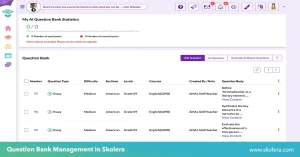
- Tests and Assignments: The system allows teachers to easily create tests and assignments, offering seven types of questions, along with a comprehensive question bank to assist in preparing student assessments.
- Attendance and Absences: The system facilitates accurate recording of student attendance and absences, providing reports that detail attendance rates.
- Behavioral Notes: Teachers can record behavioral notes for students, whether positive or negative.
FAQ:
Can student information systems track attendance and academic performance?
Yes, student information systems can track attendance, absences, grades, tests, and various assessments in real time. They also provide detailed reports and analyses that help teachers and administrators monitor students’ academic progress, identify strengths and challenges, and take appropriate actions to improve educational outcomes.
How do these systems reduce administrative workload?
These systems help reduce administrative burdens by automating routine tasks such as attendance tracking, admissions and registration management, reporting, and record-keeping and updating. This helps minimize manual data entry, improves data accuracy, and frees up staff time to focus on more critical educational and administrative tasks.