 Skolera LMS Blog Educational Technology Articles and News

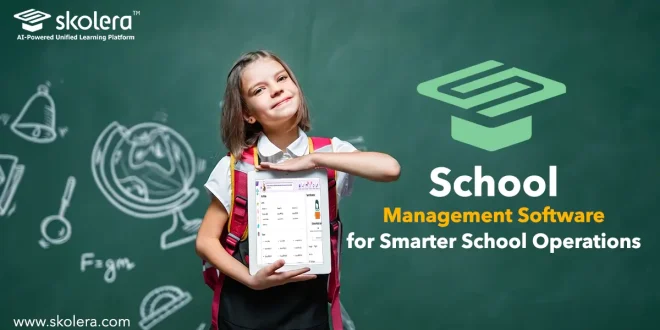
Today, educational institutions are required to manage growing numbers of students and staff, as well as academic and administrative operations, with a high degree of efficiency, making reliance on traditional methods impractical. As digital transformation in the education sector accelerates, school management software has become the ideal solution for organizing all tasks within a single platform, from managing student data to communicating with parents, thereby helping to improve performance, reduce errors, save time, and support data-driven decision-making.
Table of Contents
What Is School Management Software?
School management software is a comprehensive digital system designed to manage all academic and administrative processes. It consolidates data on students, teachers, staff, tuition fees, schedules, and reports in one place, reducing paperwork. Its key features include the following:
- It enables the organized recording and management of student data, allowing users to update and access information at any time.
- It helps organize class schedules, exams, and various activities, thereby reducing conflicts and improving resource utilization.
- It provides accurate tracking of attendance and absences, with the ability to generate periodic reports that help schools administrators improve discipline.
- It enhances communication between the school, teachers, students, and parents through instant messages, notifications, and the efficient exchange of information.
- It provides comprehensive reports and analytics that help school administrators monitor performance, identify strengths and weaknesses, and make data-driven decisions to improve the quality of school operations.
Benefits of School Management Software for Modern Schools:
School management software helps modern schools improve the efficiency of administrative and academic operations by automating daily tasks and consolidating data within a single platform. The most important benefits include the following:
Student Information Management:
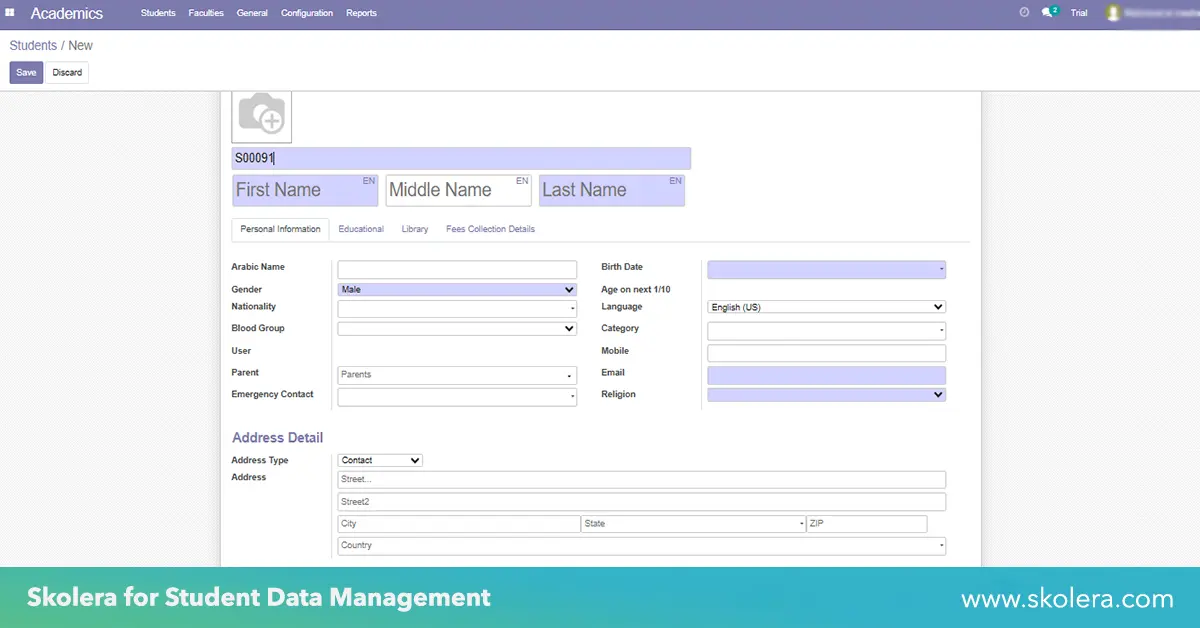
The school software stores all student data and academic records in a centralized database, making them easy to access and update quickly, while improving data accuracy.
Attendance and Behavior Tracking:
It enables real-time tracking of attendance and behavior, along with generating accurate reports and sending notifications to parents when necessary.
Academic and Assessment Management:
It supports the creation of tests, grade management, tracking of academic performance, and the generation of comprehensive reports that help teachers continuously improve learning outcomes.
Fee and Financial Management:
Facilitates the management of tuition fees, tracking of payments, invoicing, and the preparation of financial reports, thereby increasing the efficiency of financial operations.
Teacher and Staff Administration:
Helps manage staff data, schedules, leave, attendance, and task assignments, thereby increasing work efficiency.
Parent Communication and Engagement:
Enhances communication with parents through instant notifications, performance reports, and direct messages, increasing parental engagement in their children’s education.
Why Are Schools Adopting School Management Software?
Today, schools are adopting school management software to keep pace with the digital transformation and improve the quality of educational administration. With growing student populations and increasingly complex daily operations, it has become essential to rely on smart solutions that save time. Key reasons include:
- The system helps automate repetitive administrative tasks, reducing the time spent on routine work and giving staff more opportunity to focus on educational improvement.
- It provides a unified database that ensures easy access to information and keeps it constantly updated, while supporting more efficient reporting and decision-making.
- It supports school management by organizing academic and administrative processes within a single platform, thereby reducing errors and enhancing collaboration between different departments.
- It provides a better experience for students and parents by making it easier to track academic performance, attendance, and notifications, which builds trust and increases satisfaction.
Read More : Student Performance Report for Smarter School Decisions
Difficulties Schools Face Without a Management System:
Schools that rely on traditional methods face challenges that directly affect the quality of their operations. The lack of school management software leads to an increase in errors, difficulty accessing data, and poor coordination between different departments. The main challenges include:
- The lack of a management system leads to duplicate data entry and difficulty updating information, which increases the likelihood of errors and the loss of critical information.
- Administrative processes such as report generation, attendance tracking, and schedule management are time-consuming due to reliance on manual procedures.
- Communication with parents and teachers becomes less efficient due to the lack of a unified platform for sending notifications and exchanging information.
- School administration faces difficulty in monitoring overall performance and making quick decisions because data is scattered across multiple systems or paper records.
Read More : Automation in Education for Smarter School Operations
Key Features to Look for in School Management Software:
Choosing the right system depends on its ability to meet the school’s current and future needs, not just on the number of features it offers. Therefore, school management software should provide tools that ensure ease of use. Key features include:
- It should provide a simple user interface that helps staff and teachers easily perform daily tasks without the need for complex training or extensive technical expertise.
- It is essential that it supports accurate reporting and analytics to help school administrators evaluate performance and make decisions based on reliable data.
- It should allow for integration with e-learning systems, payment platforms, and various communication tools to ensure a seamless user experience.
- It should provide advanced security features, access control, and backup capabilities to protect data and ensure business continuity.
Read More : Student Information Management System for School Operations
How Skolera Supports End-to-End School Management:
Skolera offers an integrated platform based on school management software to manage all educational and administrative processes through a single system. It helps schools automate tasks, improve operational efficiency, and enhance communication, while providing accurate reports. Its key features include:
- Student Affairs: The system allows staff to create detailed individual profiles for each student, containing all basic data and academic information, and provides staff with easy access to these profiles.
- Accounting Management: The software helps manage all of the school’s financial affairs through an integrated accounting program that enables the accurate efficient financial management.
- Human Resources Management: Skolera includes an HR module that enables the recording and management of employee data as well as attendance tracking.
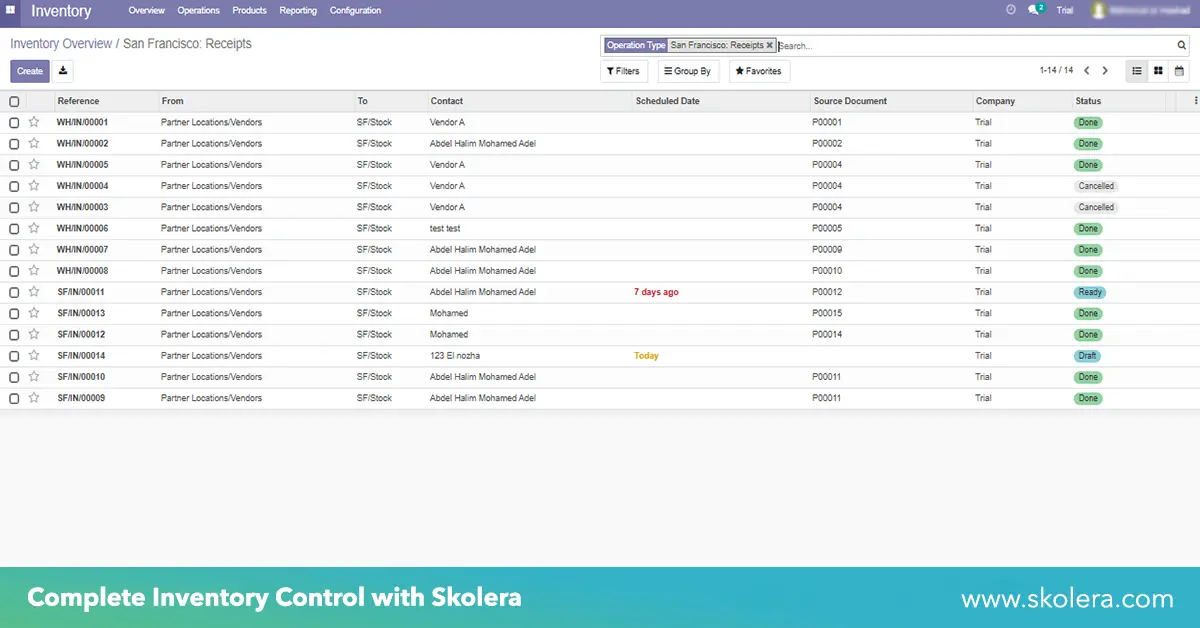
- Inventory Management: The administration software provides an integrated inventory management module that helps organize purchasing and sales operations and track shortages, thereby improving oversight and resource management.
FAQ
Is school management software suitable for multi-campus schools?
Yes, most school management software solutions support the management of multi-campus schools through a single centralized platform. Administrators can monitor data for each campus individually or collectively, while maintaining standardized reports, permissions, and settings.
How secure is data in school management systems?
Modern school management software systems rely on advanced data protection technologies, such as encryption, user permissions management, secure authentication, and regular backups. They also provide audit trails to track activities and help prevent unauthorized access to sensitive data. By staying up to date with security patches, schools can protect student, teacher, and staff information as well as financial data, ensure business continuity, and minimize the risk of data loss or security breaches.